> For the complete documentation index, see [llms.txt](https://lily-3.gitbook.io/lily/llms.txt). Markdown versions of documentation pages are available by appending `.md` to page URLs; this page is available as [Markdown](https://lily-3.gitbook.io/lily/introduction/overview.md).
# Overview
### An interactive space for creators and users
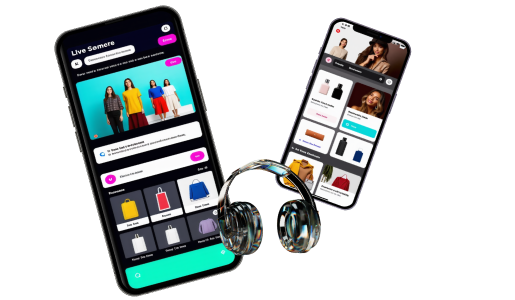
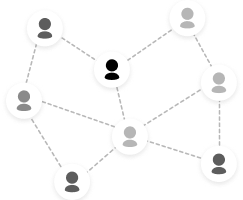
On the Lily platform, creators and users will discover a new world of interactivity. This two-way communication can support many-to-one relationships with services such as live broadcasting, commerce, fan interaction, and more. By leveraging the live streaming and blockchain rewards ecosystem, the Lily platform helps users and creators reliably onboard to the Web3 ecosystem.
### Live streaming and rewarded ecosystems
One of the core features of the Lily platform is creator and user interaction through livestreaming. Creators can interact with users through live broadcasts and use the blockchain reward ecosystem. This rewarded ecosystem fosters interaction between creators and users and provides endless possibilities to build a secondary ecosystem beyond live streaming.
### Decentralized autonomous organization (DAO) schemes
Lily operates as a decentralized autonomous organization (DAO), with some decisions made by all contributors, including project teams, creators, and users. DAO participants actively participate in service development, roadmap decisions, and governance, creating a collaborative and inclusive environment where all contributors have a stake.
Lily combines livestreaming, rewarded ecosystems, and DAOs to create a dynamic and immersive Web3 ecosystem through the metaverse. With a focus on decentralized services and elevating user and creator interaction, Lily paves the way for a new era of interactive and engaging experiences.